Protest of Assignments
What can I find on this page?
Custom POAs available to print
Generic POAs to print
Guide to filling out POAs
Samples of completed POAs
FAQs for POAs
Staffing Enforcement Arbitration Information
All the custom POAs so far…
Be sure to fill out your assignment workload to assist in our staffing enforcement arbitration cases!
What is a POA?
A Protest of Assignment (POA) is a written document notifying the employer that a nursing assignment is unsafe.
As nurses, we would never turn down an assignment. But as patient advocates, it is our duty to do everything in our power to correct unsafe situations.
Filling out a Protest of Assignment can help protect you from malpractice or discipline in the event of an adverse incident.
But the most important reason to fill out a POA is to advocate for a change in conditions so our patients get better care
During arbitration sessions, we are finding that the POA details are incredibly valuable.
We need your POA comments to paint the picture of what your unit looked like at the time of filing the POA.
Step 1 is filling out the POAs, step 2 is being a witness during arbitration in order to enforce the safe staffing enforcement language we won!
Keep reading to find out more about staffing enforcement.
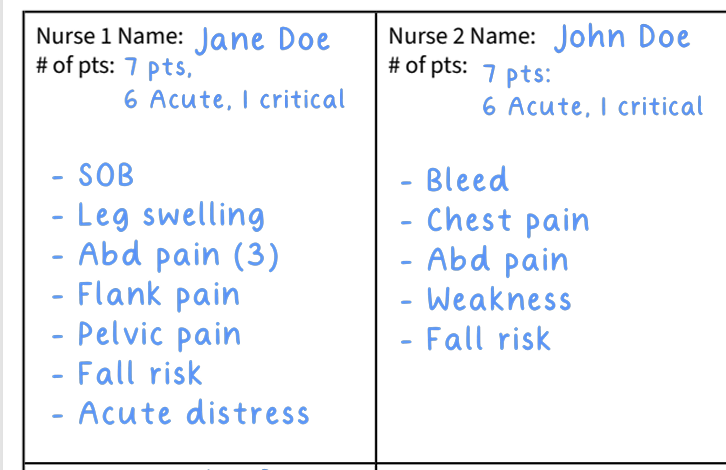
Examples of pre-filled POAs we’ve created for units based on their needs.
The nurses can simply check off the relevant comments instead of having to write out the same things every shift. We’re happy to work with you.

Please review the sample ED POA to learn more about how to fill out the detailed POAs we need for arbitration cases!
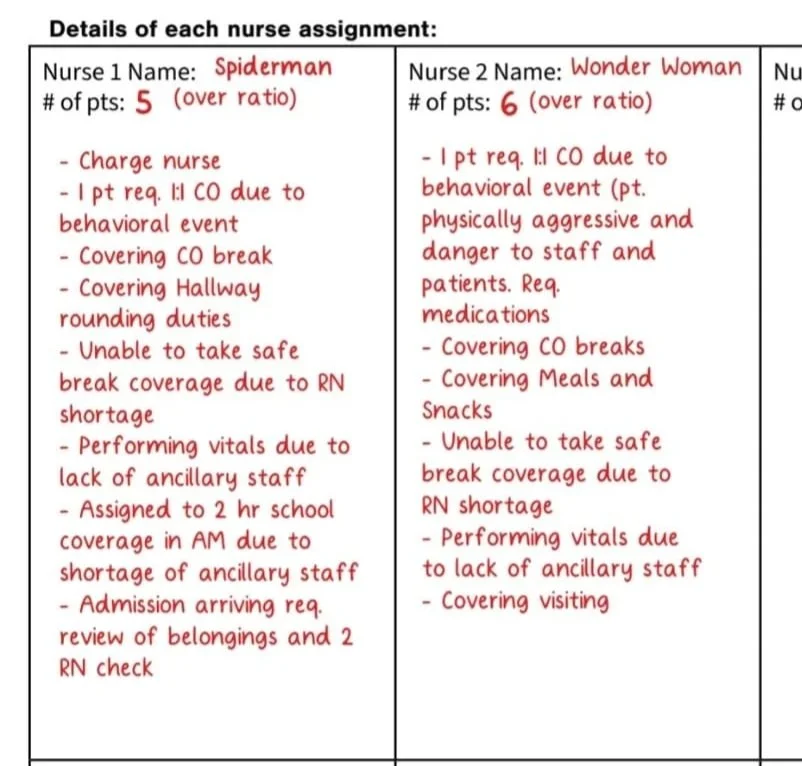
Please review the sample POA from the MECCMH. (Pediatric psych)
Never filled out a POA before?
Read below for a basic guide to filling out POAs!
Write the name of the manager you notified, NOT your unit manager!


If a manager refuses to sign the POA, document the details of their refusal and the time of refusal!
Be sure to reach out to your NYSNA rep if your manager is refusing to sign POAs, they HAVE to sign them.

This looks a little different because it’s the custom CHAM ED POA
Email completed POA to poa@nysna.org
What if the manager refuses to sign a POA?
We NEED the documentation to show that management refused to sign a POA.
A blank management signature line is not enough. If you’ve sent multiple reminders about the POA, write that down!

POA FAQs
-
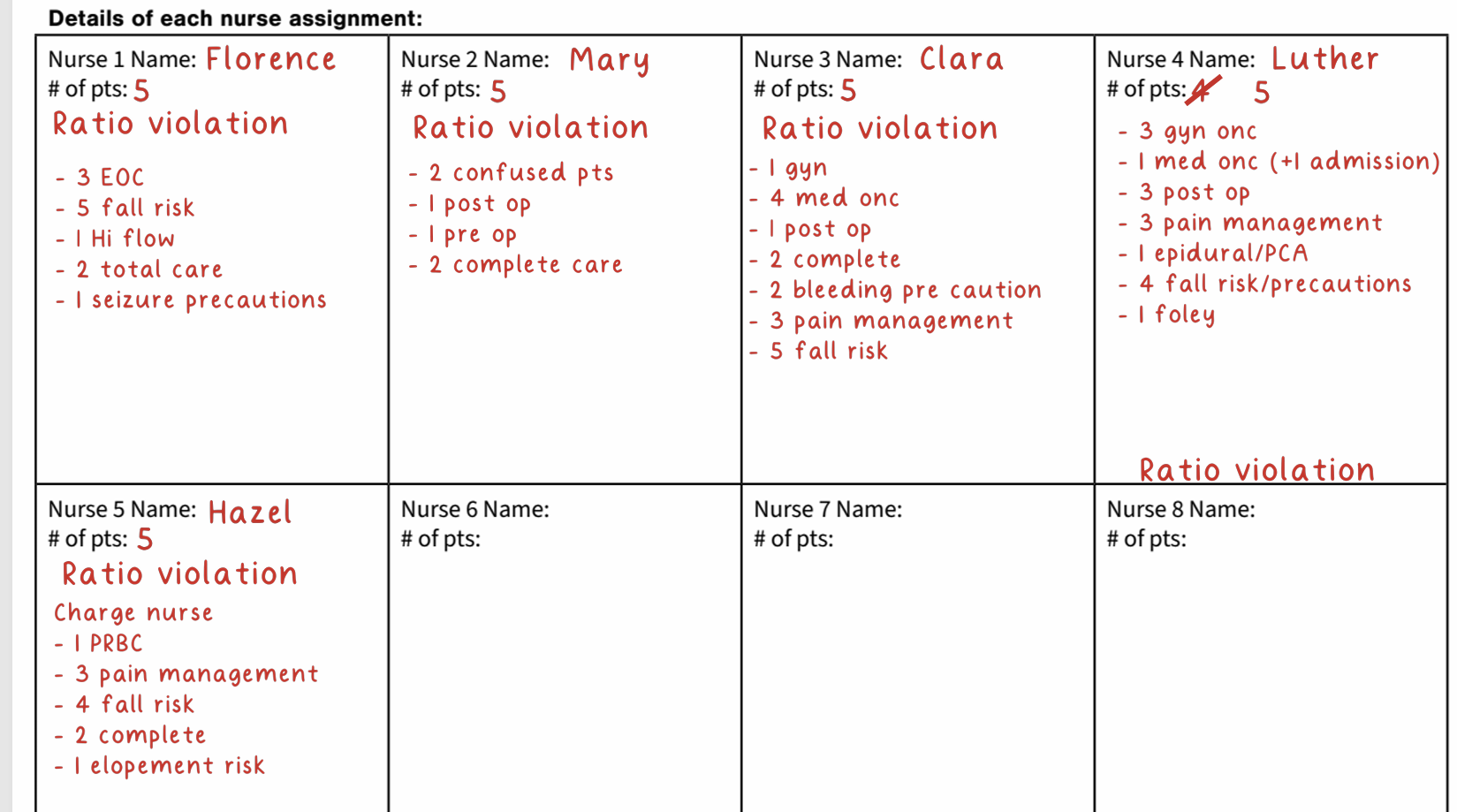
Fill out the POA! Be sure to include details explaining the nurse’s workload so that management knows, it’s not just one easy patient.
Everyone should sign on to the POA because the unit’s assignment is in violation of the ratio!
-
The POA responsibility doesn’t only fall on the charge nurse. Everyone on shift should feel comfortable filing POAs and if you’re not, please reach out to a rep so we can help!
-
Please reach out to a rep or the EC so we can help create a custom POA for your unit. There are some additional comments that are annoying to rewrite every single time, we get that! We can help streamline the process.
-
We suggest rotating who initiates the POA each shift so it’s not the same person over and over again.
Please also reach out to a rep so we can ensure you feel more confident in filling out the POAs. We will not tolerate any retaliation.
-
Strong POAs are very detailed. They provide details for each nursing assignment so it shows that the additional workload. A strong POA paints the picture of what the shift was like.
A strong POA would also be signed by management or contains details of a refusal. We’ve even seen POAs with management comments agreeing that staffing is in the red and they don’t have any additional resources. Those types of POAs build a strong case.
Guide to Staffing Enforcement Arbitrations
How do you pick which units go to arbitration?
The Executive Committee reviews the POAs. During this review we aren’t just looking for a signed POA each shift but we are looking for STRONG POAs. What this means is that the POA paints the picture for what the conditions were like during the shift. Our staffing arbitration cases are based on violations of the nursing ratios. While we do recommend POAs for when you are missing your support staff, those POAs will not result in an additional shift ratio violation.
We are also looking at the frequency of the POAs. Once or twice a month will not show a pattern of ratio violations.
Sometimes we see potential in a unit, but they need more support for creating strong POAs, so we work to help them instead of bringing them forward for the next case.
Unit meetings are held to see if the unit is prepared to move forward
Solid POAs
Minimum of 5 members prepared to be a witness in arbitration (2 from days, 2 from nights, and 1 back-up)
When the unit, reps, and EC are all in agreement then we have our next staffing arbitration case!
What’s the process of going through a staffing arbitration case?
Once the unit is selected, then we prepare for the monthly contractual staffing committee meeting
Part of the prep work before this meeting is collecting the data from the POAs and creating a spreadsheet so we can identify the ratio violations.
Often we have a unit meeting before the day of the staffing committee meeting to prepare and identify speakers. Sometimes the speakers at staffing committee aren’t the speakers during the arbitration case and that’s okay!
This meeting is a one hour zoom with management where we present the case. Historically, it has been a meeting just to lay out the facts and identify the next unit for arbitration but it really is a practice arena for the official case. During the meeting we identify the facts of violations found through the POAs and we describe those shifts. Management doesn’t typically have much to say in this setting.
Then NYSNA submits a RFI (Request for Information) to get all the relevant assignment sheets and other data we rely on during the case. We rely on nurses working on the unit to identify what documents may be most beneficial to request.
Once we get that data, we need support from the nurses to create a detailed violations list. Often we need clarity on some of the unit specifics to help us understand the assignment sheets clearly.
The members identified to be witnesses during arbitration are then scheduled for prep sessions with the NYSNA lawyer taking on the unit’s case (the meeting is with our reps and EC members as well, so there is lots of support!).
Ideally, the members who are witnesses will available the week prior to the arbitration date so we can schedule final prep sessions.
Arbitration begins!
Arbitration is held in the NYSNA Tarrytown office and those days start at 9am and typically wrap up around 5pm.
Each month we only have one date per month to start a new case. These cases are NEVER one day long. During the arbitration day we identify dates for follow-up arbitration dates. It is sometimes a long process to find dates to match up for witnesses, both legal teams, and the arbitrator. We’ve had cases spread out over months.
If you are a witness in the arbitration case, you are PAID for the arbitration days. When we have advanced notice, we advocate for you to be scheduled off and be paid for a NYSNA meeting. Sometimes we’ve had members take an alternative day off during that week so that the unit is not left short. We will help work with you to arrange the schedule appropriately. If you’re night shift - you WILL NOT work the night before or on the day of the arbitration case.
We ask the unit nurses to attend arbitration even if you’re not a witness. It means a lot to support your coworkers and also shows the arbitrator that it’s a deeply felt issue. It’s also important for other nurses to hear how their local manager speaks about their working conditions. Many times, nurses are left shocked at how their manager speaks about their work.
What does it mean to be a witness for arbitration?
Witnesses for arbitration receive prep sessions with the NYSNA lawyer, reps, and EC members. Sometimes we’ve even held separate prep sessions to ensure a witness feels comfortable with the questions. The NYSNA lawyer will prepare you for questions they will ask as well as what the Monte lawyer may ask.
Yes, the witness may be asked questions from both legal teams!
The witnesses are asked basic questions to identify themselves:
How long have you worked at Monte as a nurse?
How long have you worked on this unit?
Maybe a question about experience from outside the unit
There are questions specific to the POAs the witness has signed on to:
What was your assignment that day? How many patients did you have?
Specific questions about the items identified on the POAs. How do the issues identified on the POA impact your workload?
Why is having one patient above your ratio an issue?
Monte lawyer questions - Their team will ask many questions to downplay the work you do. They will try to make it seem like one additional patient is just a simple thing. It’s infuriating, trust us. They will try to trip you up or give answers to support their arguments.
They’ll ask about nursing attendant staff and say that those team members are responsible
They will say that your patients are stable (without even knowing a single thing about your work)
They will be DISMISSIVE.
How is the money split up among the unit?
The arbitrator makes the decision about which shifts are considered to be in violation of the ratios. That decision is based on POAs, census data, and witness testimony.
The violation penalty is split among the nurses who worked on those specific short staffed shifts. It is a staffing enforcement process which puts money back into the pockets of those who worked during those short shifts!